


Rishikesh runs on the Ganga’s schedule more than the calendar. River levels, rapids, and even whether an activity operates at all shift by month, and the “best time to visit” answer changes depending on which sport you’re actually planning to do. Here’s a season-by-season breakdown based on how operators themselves describe their own conditions.
River Rafting: September to June, With One Clear Peak
The commercial rafting season on the Ganga near Rishikesh runs roughly mid-September through the end of June, closed entirely during the monsoon, mid-July to mid-September, under Uttarakhand state safety order, not by operator choice. If a listing offers a monsoon rafting deal during that window, treat it as a red flag rather than a bargain.
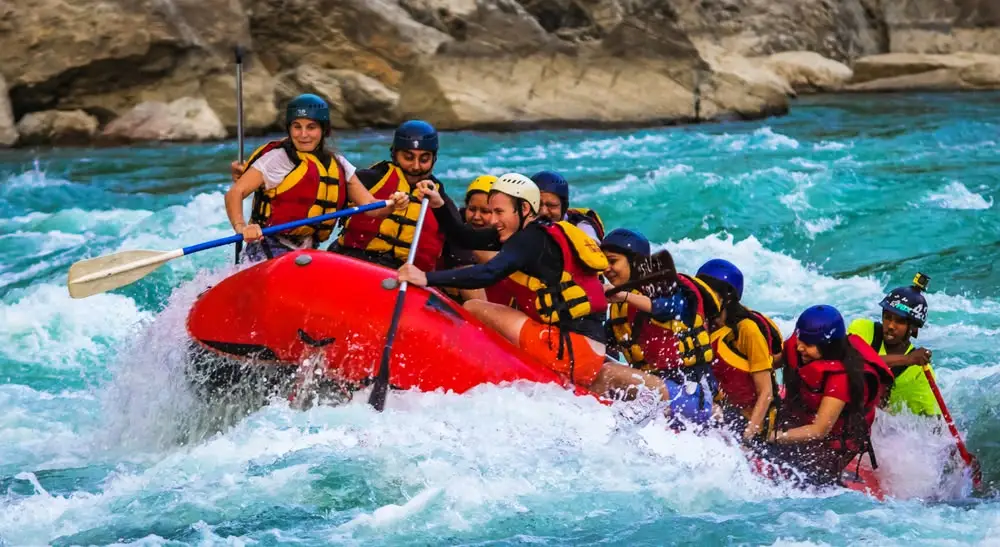
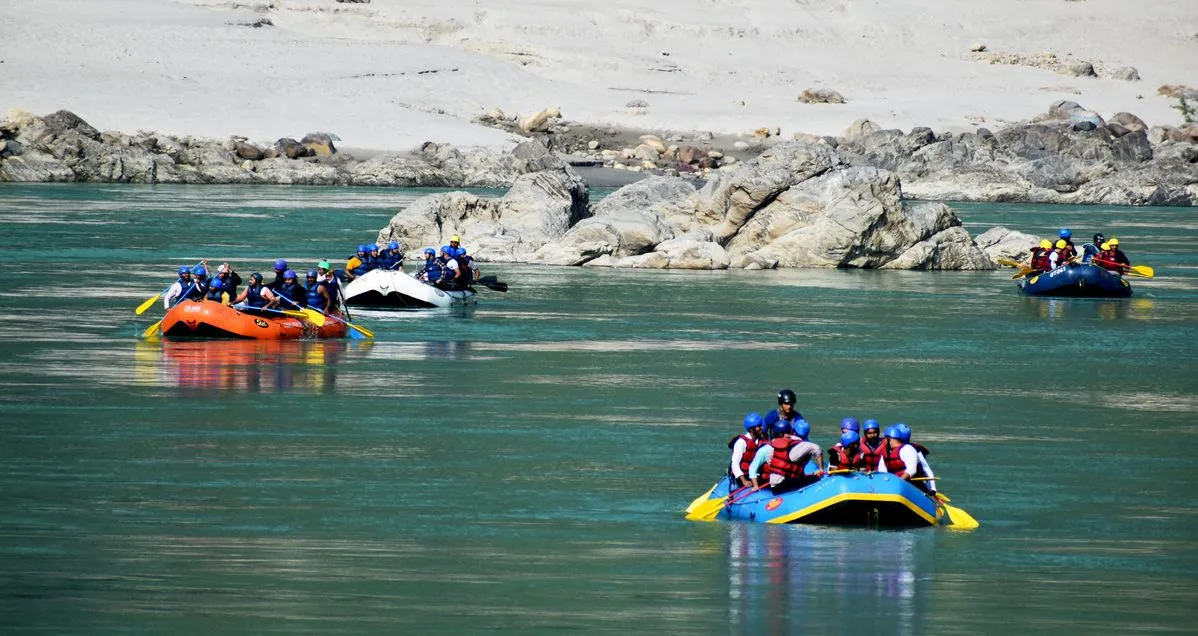
Within the open season, conditions vary more than most travelers expect –
Late September to October – The river reopens gradually after monsoon clearance, with water still settling and flow sometimes inconsistent. October is widely regarded as the single best month overall, water levels stabilize, the post-monsoon landscape stays green, and rapids run fuller without becoming unsafe.
November – Similar stability to October, with calmer conditions and lower crowds.
December to February – Rafting continues through winter, though water and air temperatures drop noticeably. Operators provide wetsuits, and this window suits travelers who want a quieter, less crowded river.
March – Along with October, March is frequently cited as the best month for beginners specifically, calm, stable conditions and pleasant temperatures without the cold of peak winter.
April to June – Water levels rise again as snowmelt feeds the river, producing stronger currents, best suited to travelers who already have some rafting experience.
If you’re choosing a single month purely for rafting, October and March come up most consistently across operators as the two strongest picks, one for bigger post-monsoon rapids, the other for calmer, beginner-friendly water.
Bungee Jumping: September/October to June
Jumpin Heights, Rishikesh’s main fixed-platform bungee site at Mohan Chatti, operates year-round except during monsoon, mid-July to mid-September, and occasionally pauses briefly in January for maintenance. Shivpuri, widely considered the top adventure hub in Rishikesh for its high-intensity river rapids, multi-activity adventure parks, and riverside camps, also hosts several bungee operators, including Himalayan Bungy, Splash Bungy, and Thrill Factory, generally at lower jump heights and price points than Jumpin Heights, a reasonable option for first-timers or anyone based closer to Shivpuri’s rafting camps. Within the open season, operators consistently point to two windows as ideal.
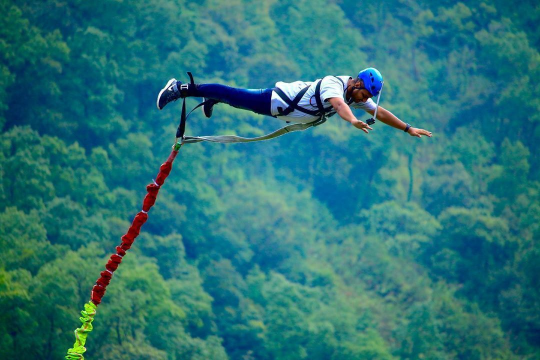
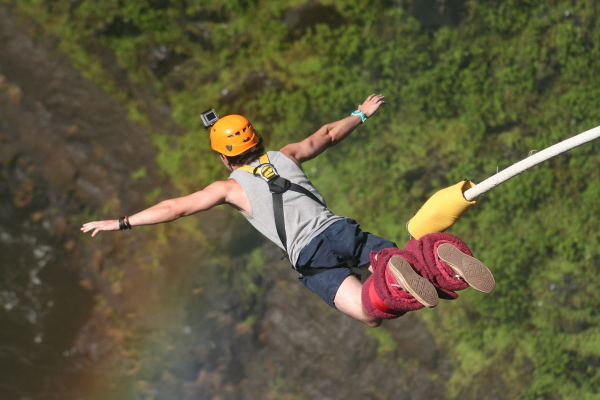
September/October to November – Clear skies and pleasant temperatures, generally considered the most popular window.
March to June – Also good, though late May and June run noticeably warmer, worth planning early morning slots if jumping during this stretch.
Across multiple operator sources, the monsoon closure is the one firm rule, everything else is a matter of preference between cooler winter jumps and milder shoulder-season conditions.
Waterfall Trekking: September to June, With Some Disagreement on the Ideal Window
Neer Garh, Rishikesh’s most popular waterfall trek, sits about 5 to 6 km from Laxman Jhula and draws hikers year-round, though sources genuinely disagree on which stretch of the open season is best. Several guides point to September to November as ideal, when the waterfall runs fullest post-monsoon and the surrounding forest is at its greenest. Others recommend October to April or October to May for the most stable, least slippery trail conditions. A smaller number even suggest June, arguing the warmer weather pairs well with a cold waterfall dip, though this sits right at the edge of the monsoon closure window and carries more risk of sudden rain.
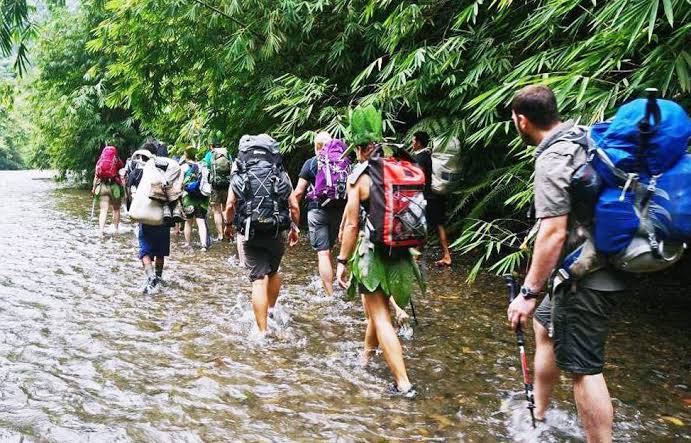
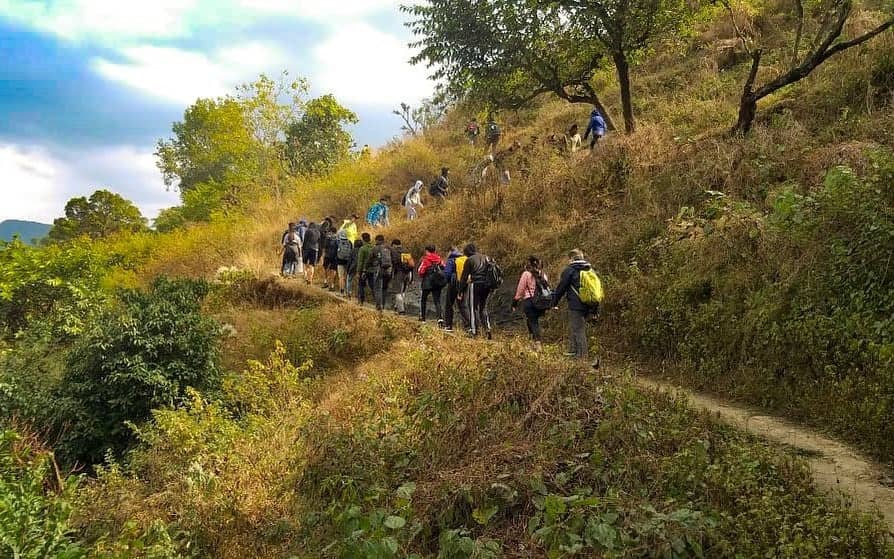
What every source agrees on without exception: avoid trekking during the monsoon itself, July to September, when trails turn muddy and slippery and the risk of landslides rises. Outside that window, the choice comes down to what you’d rather optimize for, lush, post-monsoon scenery in autumn, or drier, more predictable footing in winter and spring.
Camping Aligned With the Rafting Season
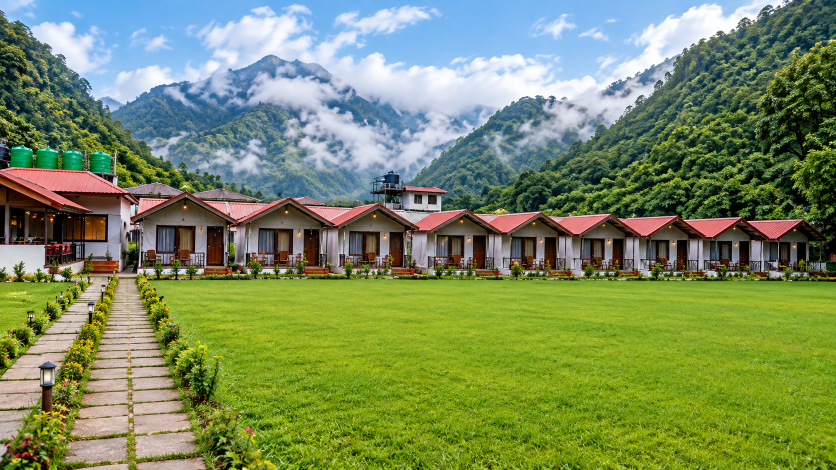
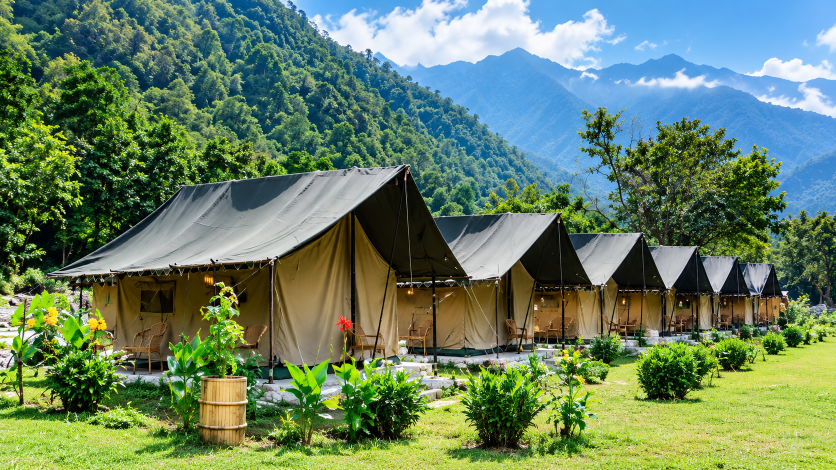
Most riverside camping in Rishikesh operates on essentially the same calendar as rafting, since many camps sit along the same stretches of riverbank used for rafting put-in and take-out points. Expect camps to run from around September through June, closed during the mid-July to mid-September monsoon for the same safety reasons rafting shuts down, rising water levels and unstable ground along the bank. October and March again stand out as strong months here, stable weather, manageable crowds, and river conditions calm enough to pair a night of camping with a rafting run the same trip.
What This Means for Planning a Trip Around Multiple Activities
If you want to combine rafting, bungee jumping, trekking, and camping in a single trip, the overlap window is genuinely wide, all four generally run from September or October through June, with only the mid-July to mid-September monsoon closing everything down at once. Within that overlap, October and March stand out most consistently across sources as the two months where conditions line up well for all four activities together, stable rafting water, clear bungee-jumping weather, manageable trekking trails, and calm camping conditions.
Winter (December to February) is a reasonable choice if you’d rather avoid the bigger October-November and March-April crowds. All four activities still run, just with colder water and air temperatures, and gear provided accordingly for rafting and camping.
Where to Stay for an Adventure-Focused Trip
Most rafting put-in and take-out points, along with the Mohan Chatti bungee site, are a short drive from central Rishikesh, so a hotel in Muni Ki Reti keeps you within easy reach of operators without needing to relocate for different activities. The Neeraj Ganga Heritage Palace, built directly on the Ganga on NH58, Badrinath Highway, works well as a base for this kind of trip, close enough to arrange transport to rafting and bungee sites, while still being walkable to Ram Jhula, Janki Setu, and Parmarth Niketan for the quieter half of a Rishikesh itinerary.
Conclusion
Rishikesh’s adventure calendar isn’t as complicated as it first looks, once you strip away the noise, it comes down to one closure and one sweet spot. The mid-July to mid-September monsoon shuts down rafting, bungee jumping, and most riverside camping entirely, and it’s genuinely not worth working around. Outside that window, October and March consistently come up as the two months where rafting, bungee jumping, trekking, and camping all line up well at once, stable water, clear skies, and manageable trail conditions. Winter fills the gap in between for travelers who’d rather trade a few degrees of warmth for smaller crowds. Whichever month you land on, the one thing worth building the rest of your trip around is picking a base close enough to Shivpuri and Mohan Chatti to make the logistics easy, so the planning stays as simple as the season actually is.