
Quick answer – Yes, Rishikesh can be a comfortable trip for senior citizens, but it rewards planning. The town sits at a low elevation, so altitude is rarely a concern in the main areas. The real challenges are steps at the ghats, busy bridges, and uneven ground at some attractions. Choose the right season, stay close to the places you want to visit, and pick a few easy outings instead of a packed schedule.
Families often ask whether Rishikesh suits elderly parents and grandparents, and most travel guides answer in one line. This guide goes further. It is based on how the city is laid out, which attractions are gentle and which are demanding, and the questions families commonly ask before booking. It is general travel guidance, not medical advice, so anyone with a health condition should check with their doctor before travelling.
1. Is Rishikesh Suitable for Senior Citizens?
For many older travellers, yes. The main riverside areas are low in elevation, and the pace is slower than in most pilgrimage cities. A few things make it easier than people expect:
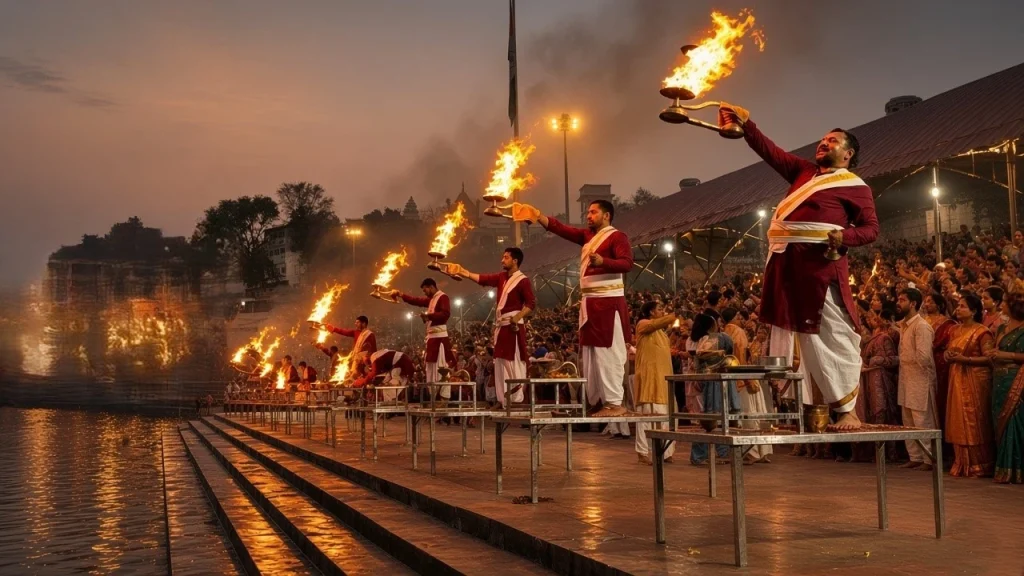
- Many of the best experiences, such as sitting by the river and watching the evening Ganga Aarti, need very little walking.
- The town is compact, so most short trips are a few minutes by auto-rickshaw or taxi.
- Yoga, meditation, and quiet riverside time suit a relaxed pace.
A few things need care
- Ghats have steps, and some are worn or slippery when wet.
- The suspension bridges are shared by pedestrians and two-wheelers, which can feel crowded and unsteady for some visitors.
- Some well-known sights, including hilltop temples, involve long drives on winding roads and climbs on foot.
2. The Best Time to Go
Season matters more for older travellers than for most.
- October to March: the most comfortable window for most people, with pleasant daytime temperatures. December and January mornings and evenings can be cold, so pack warm layers.
- April to June: daytime heat can be tiring. If you travel then, plan outings for early morning and evening.
- July to September: the monsoon brings rain, which makes ghat steps and paths slippery. This is the season to be most cautious.
3. Where You Stay Matters More Than the Star Rating
For senior travellers, location and layout usually matter more than amenities. When comparing hotels, look at:
- Distance to the places you want to visit. – A hotel within walking distance of the riverfront and the evening Aarti saves repeated taxi rides.
- Whether there is a lift, or whether you can get a ground-floor room.
- The entrance and the route to your room. Ask about steps, ramps, and how far the room is from the car drop-off point.
- Bathroom setup, including non-slip flooring and whether support rails are available.
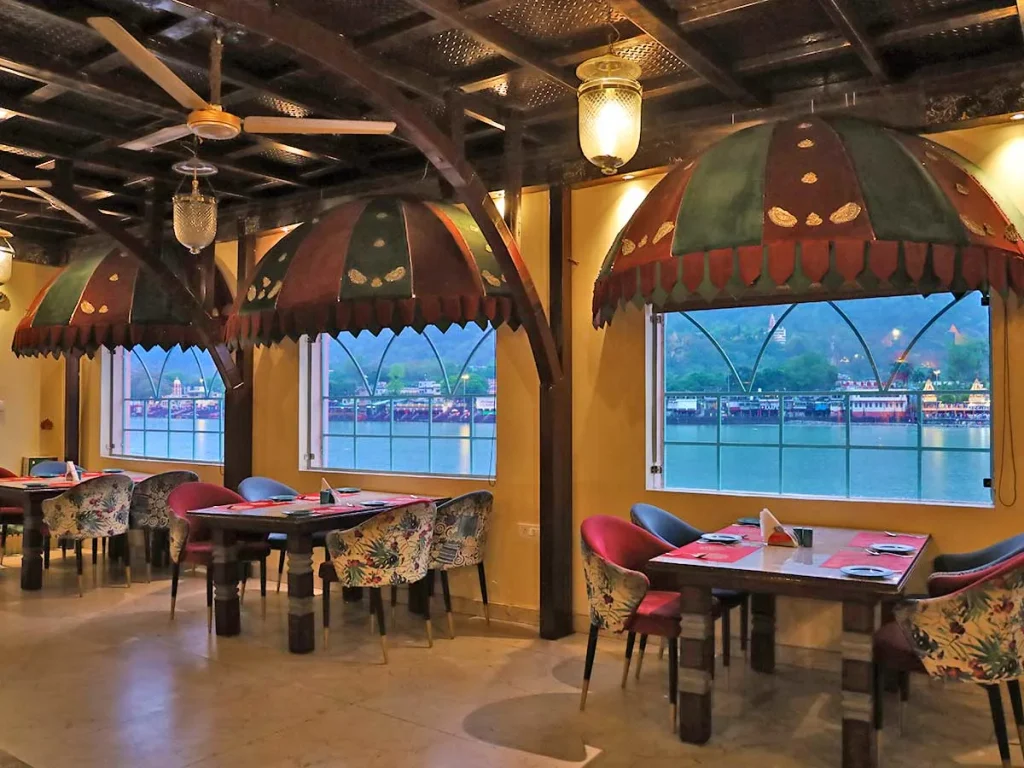
- On-site dining, ideally a Ganga view restaurant, so meals are easy, close, and come with the river as a backdrop. This matters most if there are dietary needs.
- A reliable front desk, for help with taxis, medicines, or anything urgent.
These details are rarely listed clearly online, so it is worth asking the hotel directly before you pay.
4. Getting Around Comfortably
- Use taxis or auto-rickshaws for anything beyond a short walk. Agree on the fare or use a booked cab, and ask the hotel to arrange it if you prefer.
- Be selective about the bridges. If walking across a crowded suspension bridge is not comfortable, the same destinations can often be reached by road.
- Hold handrails where they exist on the ghat steps, and wear shoes with good grip instead of loose sandals.
- Keep outings short. Two or three unhurried stops a day work better than a long list.
5. Easy Sightseeing and What to Think Twice About
Gentle options:
- The evening Ganga Aarti at Parmarth Niketan. It is the most rewarding experience for the least effort. Arrive early for a seat, and see our first-timer’s guide to attending the evening Ganga Aarti for what to expect.
- A slow walk along the riverbank, in the morning or late afternoon, when it is cool and quiet.
- Sitting at a riverside cafe, which gives you the view without any walking.
Worth thinking twice about
- Hilltop temples such as Kunjapuri and Neelkanth Mahadev. They involve long drives on winding roads and some climbing at the end. Go only if everyone in your group is comfortable with that, and consider a private car instead of a shared one.
- The Beatles Ashram. The grounds are uneven and overgrown in places, so it suits steady walkers more than anyone who needs a smooth path.
- Early-morning sunrise trips. The cold, the early start, and the climb can be tiring, so they are better skipped unless you really want them.
6. Where to Eat: A Ganga View Restaurant Without the Walk
For many older travellers, meals are where comfort is won or lost. A long walk to find a table, a busy place with steep stairs, or an unfamiliar menu can spoil a good day. When you are choosing where to eat, look for:
- A short, flat walk. – Whether you want a restaurant near Ram Jhula or a restaurant near Janki Setu, check how far it really is and whether the route has steps.
- Easy seating – Ask whether the dining area is on the ground floor or needs a climb.
- A familiar menu. – Lightly spiced regional dishes and some flexibility for dietary needs make meals less stressful.
- A calm setting. – A Ganga view restaurant lets you enjoy the river from your table instead of walking along the bank to find it.
The simplest option is a restaurant inside your hotel, since it removes the travel entirely, especially after the evening Aarti when it is dark and the lanes are busy.
7. A Sample Easy Day
- Morning – a late, relaxed breakfast and a short riverside walk while the air is still cool.
- Midday – rest at the hotel. This is the warmest part of the day for most of the year.
- Late afternoon – a short taxi ride or walk to the ghat, with time to find a seat before the Aarti.
- Evening – attend the Aarti, then an early dinner back at the hotel.
8. Health and Comfort Tips
- Carry all regular medicines, plus a printed list of them and your doctor’s contact details.
- Keep a small first-aid kit and any emergency medicine within easy reach, not in checked luggage.
- Drink bottled or properly filtered water, and eat freshly prepared food to reduce the risk of stomach upsets.
- Wear layers. Temperatures change quickly between midday and evening, especially in winter.
- Know where the nearest major hospital is. AIIMS Rishikesh is a large hospital in the city, and your hotel front desk can help arrange transport in an emergency.
9. Questions to Ask Any Hotel Before You Book
- Is there a lift, and does it serve all floors?
- Can we have a ground-floor room, or a room close to the entrance?
- How many steps are there from the car park to the reception and to our room?
- Are there grab bars or non-slip flooring in the bathroom?
- Is there a front desk available around the clock?
- Can meals be adjusted for dietary needs?
Where The Neeraj Ganga Heritage Palace Fits
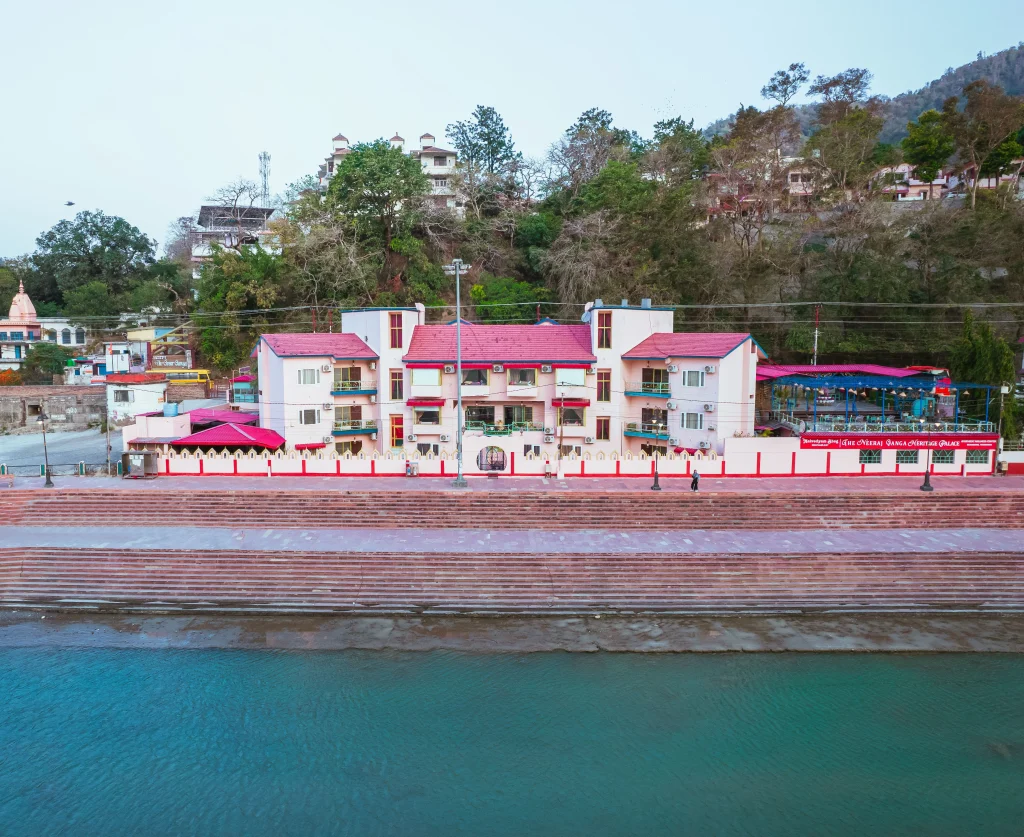
The Neeraj Ganga Heritage Palace is a boutique, riverfront hotel in Muni Ki Reti with 16 rooms, walking distance to Ram Jhula, about a five-minute walk to Janki Setu, and an easy walk to Parmarth Niketan. Naivedyam Bhog, the in-house multi-cuisine Ganga view restaurant, serves regional Indian dishes, and Sky Cafe offers a relaxed riverside spot for tea or coffee. For senior guests staying nearby, that makes it a convenient restaurant near Ram Jhula and a restaurant near Janki Setu without another trip out. It is a quiet, small property, so there is no pool, gym, or spa on site.
Please confirm the specifics that matter for your family directly with the hotel before booking, including the room category, floor, access to your room, and access to the dining area, on +91 95208 66505 or at reservations@theneerajgangaheritagepalace.com.
Frequently Asked Questions
Is Rishikesh safe for elderly travellers?
Generally yes, with sensible precautions. The main risks are slippery steps, crowded bridges, and weather, all of which are easier to manage with good planning and a comfortable base.
How many days do seniors need in Rishikesh?
Three to four relaxed days are usually enough for the main riverside experiences without rushing. Fewer, slower outings work better than a packed itinerary.
Is there a restaurant near Ram Jhula that suits senior citizens?
Look for one within a short, flat walk, or better, one inside your hotel. Ask about seating, stairs, and menu flexibility before you go. At The Neeraj Ganga Heritage Palace, Naivedyam Bhog is the in-house restaurant, and it is worth confirming access to the dining area when you book.
Can senior citizens attend the Ganga Aarti?
Yes. It is one of the easiest and most rewarding experiences in the city. Arrive early to get a seat, and have a plan for getting back to your hotel afterward.
Conclusion
Rishikesh does not need to be demanding to be rewarding. For senior citizens, the best trips come from choosing the right season, staying close to the river and the places that matter most, keeping outings short, and asking the right questions before booking. A slower pace is not a compromise here. It is how the city is best enjoyed.